September 2, 2026
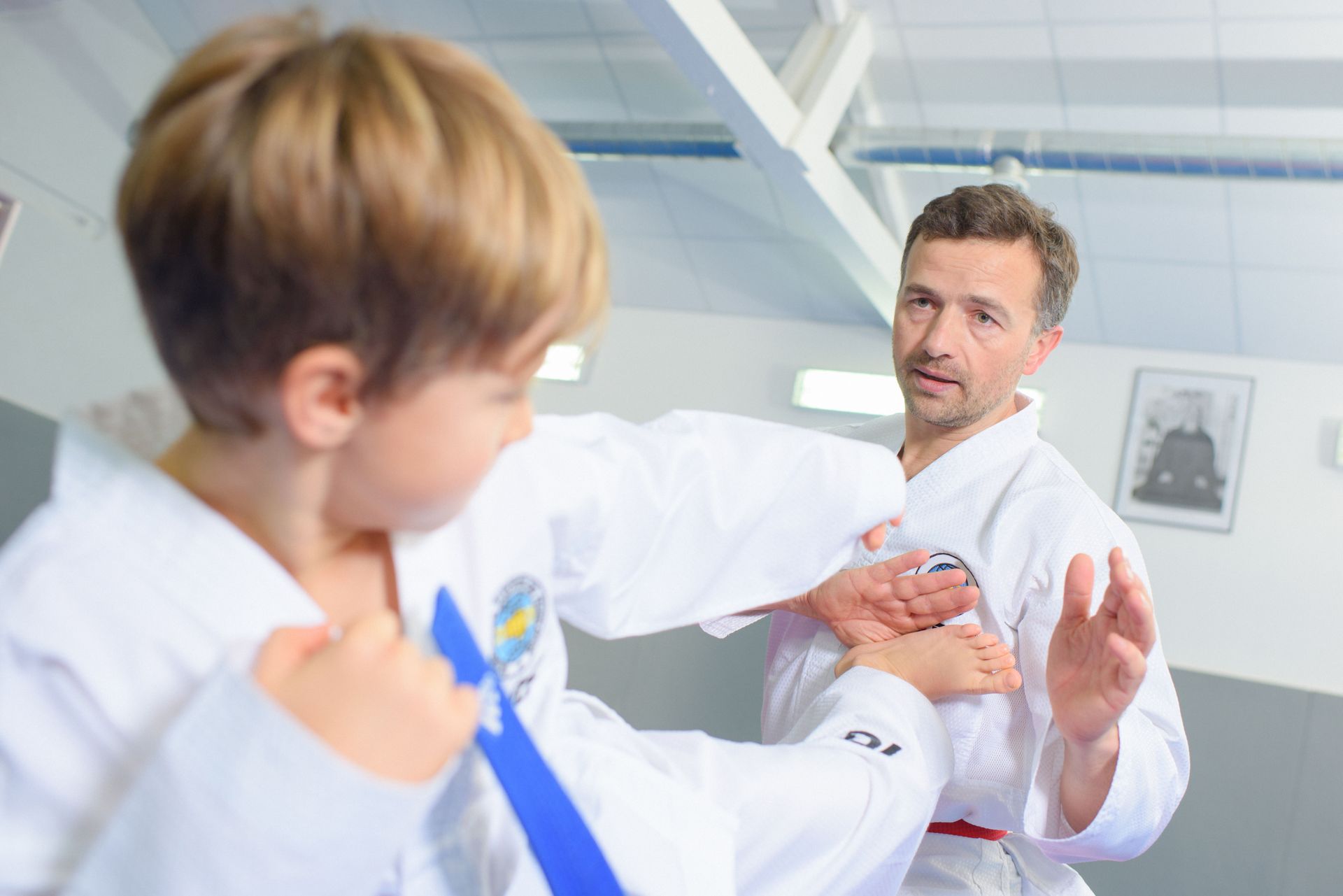
Exploring the multifaceted physical benefits of traditional martial arts reveals how quickly body movement can transform. Taking a structured Brazilian Jiu Jitsu lesson can dramatically boost joint range, spatial awareness, and overall physical flexibility. BJJ offers a comprehensive approach to body movement conditioning. Through targeted grappling exercises and functional movement, participants develop fluid motion and dynamic control over their joint mechanics.
By engaging in specialized physical techniques, students experience immediate changes in functional flexibility. Every session introduces dynamic movements that challenge stiffness and build agile habits over time. Practitioners learn to move without wasted energy, creating long-term physical efficiency.
Understand Core Fundamentals to Improve Flexibility
Jiu Jitsu relies on efficiency and adaptability, teaching participants to leverage body positioning rather than brute physical strength. Applying these fundamental principles allows individuals to move fluidly through difficult physical positions without straining sensitive muscles. This gentle approach translates directly into daily activities by encouraging graceful movement patterns. Focusing on strategic body mechanics removes unnecessary tension and establishes a strong foundation for full-body flexibility.
Core techniques center around joint manipulation, body control, and strategic positioning, which collectively enhance spatial awareness. Executing these positions during a Brazilian Jiu Jitsu lesson builds muscle memory and refines overall movement efficiency. Practitioners learn to move through complex angles with precision, reducing overall energy expenditure. Controlled breathing exercises synchronized with these physical movements reduce muscle tightness and allow joints to function through their full native range.
Proper posture remains essential for maintaining balance and preventing strain during rigorous physical engagement. Maintaining optimal spinal alignment enables smoother transitions between defensive and offensive positions on the mat. Beyond the physical mechanics, sharpening the connection between mind and body heightens physical awareness. Developing this mental acuity helps individuals anticipate physical obstacles, react swiftly, and maintain dynamic balance across all physical tasks.
Prepare the Body With Dynamic Warm-Ups
Dynamic warm-ups specifically prepare the body for intense physical demands by mimicking specialized grappling movements like hip escapes and shoulder rolls. Engaging in these targeted movement patterns primes major muscle groups and enhances hip mobility. By simulating ground movements before active training begins, participants transition into complex physical sequences with greater ease and athletic confidence.
Integrating functional stretching routines within a Brazilian Jiu Jitsu lesson increases muscle elasticity and reduces joint stiffness. Target stretches prepare muscles for deep ranges of motion, minimizing injury risks while supporting smooth movement transitions. Mimicking natural movement patterns conditions the body to execute compound actions effortlessly, fostering natural agility during demanding athletic activities.
Core activation plays a crucial role during warm-up sequences, serving as the primary foundation for balanced body control. Strengthening core engagement allows participants to stabilize their spine during dynamic shifts and sudden direction changes. Combining physical warm-ups with active mental focus enhances cognitive processing, ensuring that practitioners stay focused, safe, and responsive throughout their training sessions.
Execute Repetitive Drills for Muscle Memory
Repetitive drilling builds strong muscle memory and maximizes overall movement efficiency across every single training session. Consistent repetition allows practitioners to execute complex movement patterns automatically, without hesitation or mechanical disruption. Over time, these structured repetitions refine body awareness and promote smooth, effortless motion across all natural ranges of physical movement.
Drilling engages multiple joints and major muscle groups simultaneously, encouraging balanced physical development and structural stability. Working several body segments together fosters systemic coordination and conditions the physique for dynamic physical shifts. Building muscle endurance through persistent drill repetition ensures that practitioners retain precise mechanical control during extended physical practice.
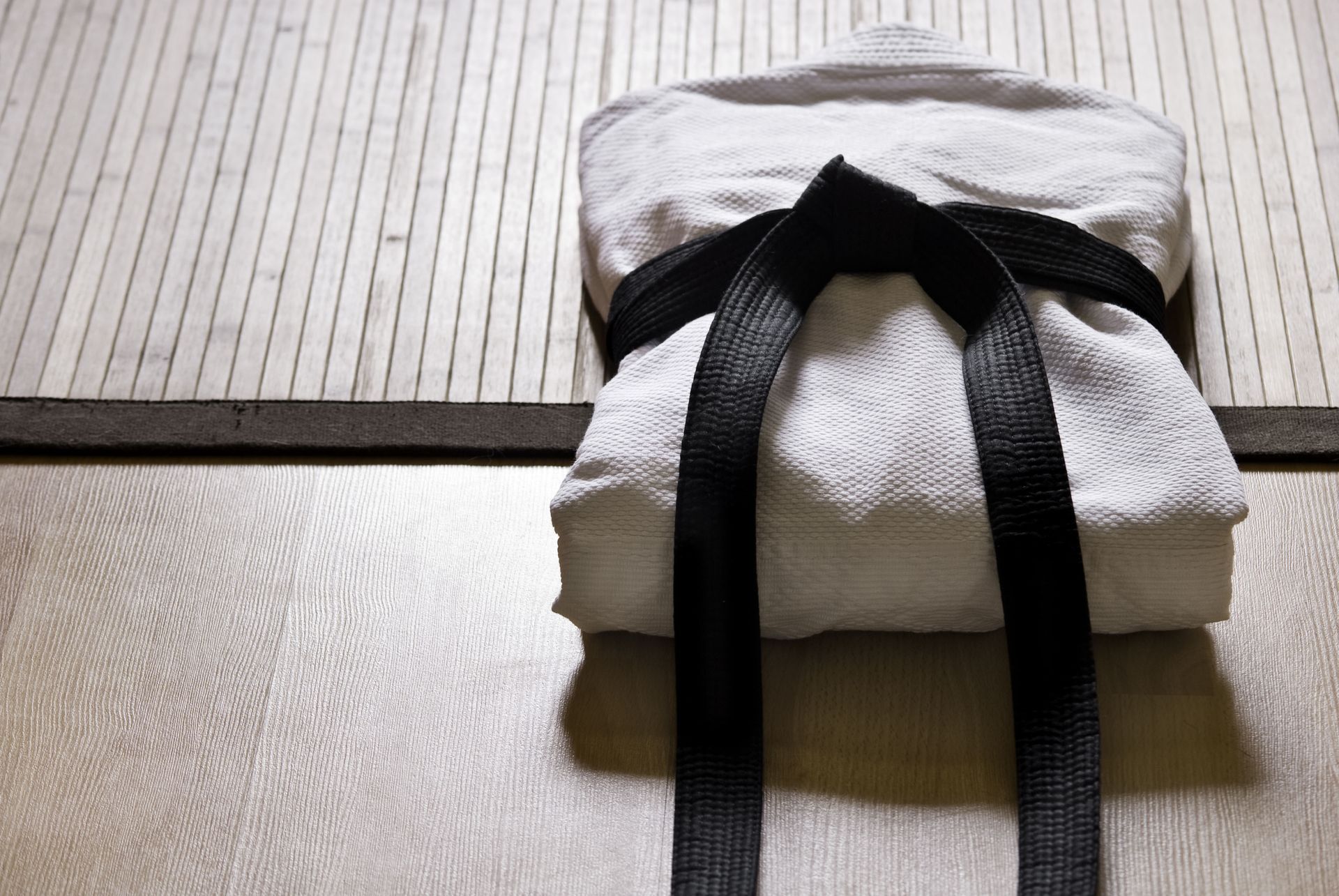
According to Gold BJJ, it takes an average of 13.3 years to earn a black belt in Brazilian Jiu Jitsu, highlighting the profound dedication required for complete physical mastery. Participating in a structured lesson lets students experience the immediate benefits of partner drills and feedback loops. Working alongside a dedicated training partner offers real-time adjustments, accelerating movement refinement and enhancing dynamic agility.
Enhance Whole-Body Coordination Through Flow Rolling
Flow rolling provides a non-competitive form of movement practice that emphasizes smooth, continuous transition without high physical exertion. This gentle sparring method allows practitioners to explore dynamic techniques within a relaxed environment. Emphasizing fluid momentum over rigid force helps individuals release chronic muscular tension while improving whole-body coordination and general physical poise.
Attending a regular Brazilian Jiu Jitsu lesson focused on flow rolling helps practitioners synchronize complex movements and maintain physical balance. Navigating smooth transitions requires continuous spatial awareness and structural control. Practicing continuous movement teaches the body to adapt naturally to changing physical pressure, fostering exceptional balance and movement versatility.
Developing heightened spatial awareness during continuous movement practice optimizes positional control and overall responsiveness. Understanding body placement relative to training partners enables precise physical adjustments during fluid exchanges. Decreasing physical strain through relaxed movement promotes muscle recovery, mental clarity, and consistent functional agility on and off the mat.
Test Dynamic Movement in Live Sparring
A dynamic Brazilian jiu jitsu lesson often includes controlled sparring, providing an environment to test real-world physical mobility under pressure. Responding to unchoreographed movements forces the body to adapt instantly, refining physical reflexes and situational decision-making. Testing techniques against resistance sharpens balance and reinforces practical movement capability across unpredictable scenarios.
Reflex development occurs naturally during live interaction, training practitioners to respond swiftly to sudden direction changes. Maintaining physical balance under pressure requires precise center-of-gravity management and composed physical control. Overcoming unpredictable forces instills deep physical confidence, allowing individuals to maintain fluid coordination under intense physical stress.
Adapting to varying opponent movements sharpens cognitive processing and improves spatial responsiveness. Practitioners learn to anticipate actions, adjust posture rapidly, and execute smooth counters during dynamic exchanges. Building psychological resilience alongside physical agility empowers students to handle intense physical exertion while maintaining steady movement mechanics.
Master Advanced Movements for Enhanced Range
Advanced inversion techniques challenge standard movement limitations by training the body to move comfortably upside down and across unconventional angles. Mastering guard retention and hip inversions expands joint mobility, particularly within the hips, shoulders, and lower back. Incorporating these dynamic angles allows practitioners to move freely without physical restriction or mechanical discomfort.
Executing seamless transitions between distinct positions requires exceptional joint articulation and muscle flexibility. Utilizing mechanical leverage minimizes force requirements, allowing practitioners to manipulate positions efficiently. Understanding leverage principles enables smaller individuals to achieve dynamic control through superior positioning rather than raw physical output.
Complex guard dynamics present advanced physical challenges that stretch major muscle groups and refine full-body agility. Customizing specific techniques to match personal physical attributes optimizes individual movement pathways. Every targeted Brazilian Jiu Jitsu lesson provides opportunities to tailor techniques, helping individuals overcome personal stiffness and attain personal movement freedom across all athletic settings.
Brazilian Jiu Jitsu delivers a complete, well-rounded framework for rapidly improving mobility, joint flexibility, and overall functional strength. Combining dynamic warm-ups, repetitive drilling, flow rolling, and controlled sparring yields noticeable physical benefits for practitioners, athletes, and fitness enthusiasts of all experience levels. Developing fluid movement through dedicated grappling practice translates directly to better posture, improved coordination, heightened body awareness, and long-term physical resilience across daily life.
Embracing this dynamic martial art transforms daily movement habits, actively combats chronic muscle stiffness, and unlocks sustainable physical agility for everyday living. Experience these transformative physical benefits firsthand by scheduling a visit and joining us for a class at Katharo Training Center - Jiu-Jitsu and Fitness.