November 6, 2026
Stepping onto the mats marks the beginning of an exciting and transformative journey toward physical mastery and mental discipline. To enjoy this martial art across your entire life, developing deliberate habits that preserve your body from avoidable wear and tear is essential. Adopting a sustainable mindset ensures you stay healthy, improve steadily, and make continuous progress on your martial path.
Understanding the Heritage of Grappling Arts
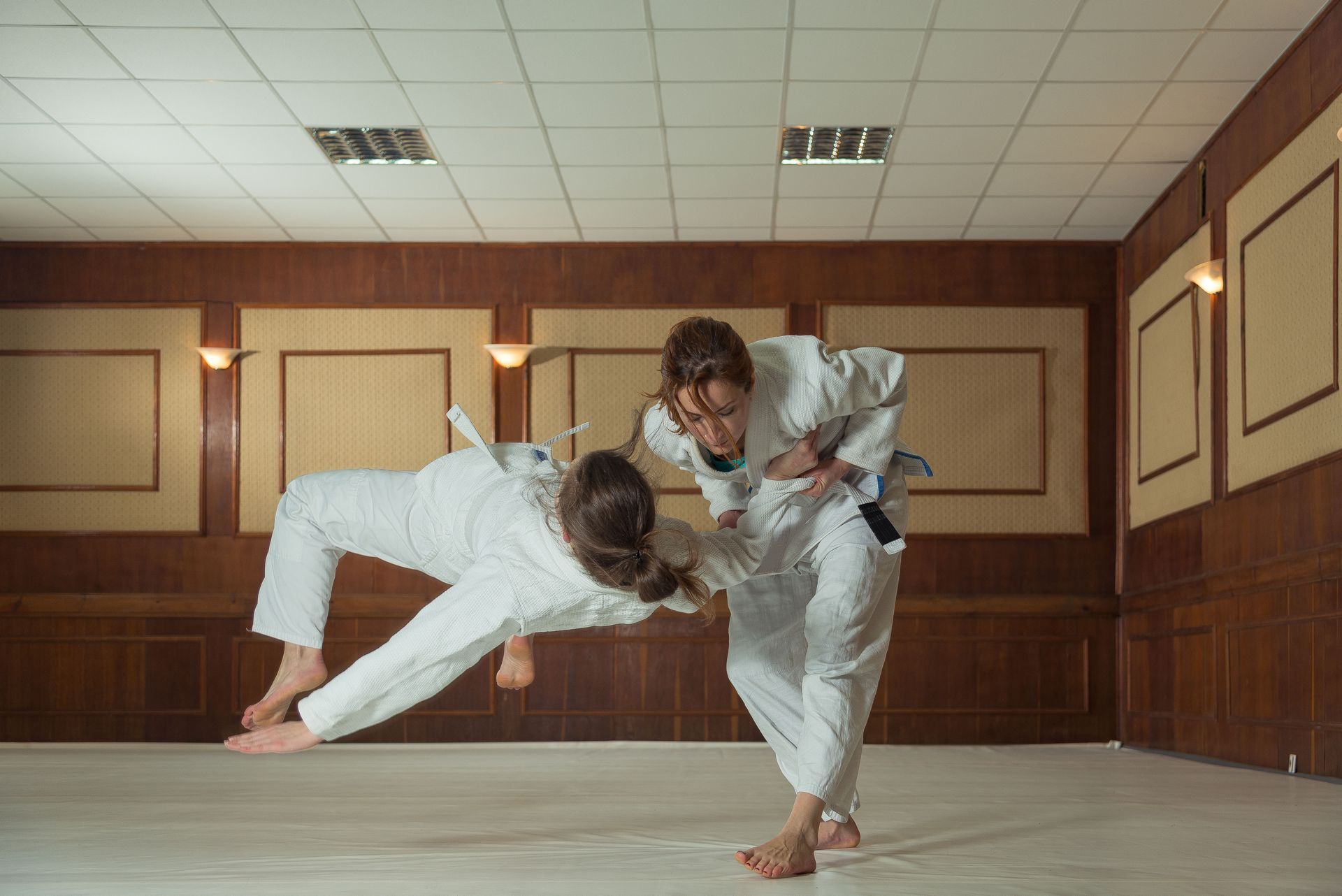
According to Elite Sports, Japanese jiu-jitsu go back around 2000 years ago while Brazilian jiu-jitsu was introduced in Brazil in 1925. This long timeline highlights how ground fighting evolved from combat battlefield techniques into a structured, leverage-based discipline accessible to everyday athletes. Modern practitioners benefit from centuries of mechanical refinement, learning to control resisting opponents through angles, leverage, and positioning rather than pure muscular brute force. By prioritizing biomechanics, fulcrums, and weight distribution, practitioners neutralize size and strength disparities safely without relying on explosive, high-impact maneuvers that wear down joints.
Because the art relies so heavily on physics and submission holds, students must understand that training is an endurance journey rather than a sprint. Embracing the historical foundation of technique over raw aggression helps you treat every session as an educational study. Approaching daily training with patience and curiosity allows you to solve defensive dilemmas systematically rather than forcing dangerous scrambles. Respecting the lineage of the sport creates a deep appreciation for controlled movement, proper partnership, and physical longevity.
Prioritizing Joint Mobility and Movement Conditioning
Grappling places unique multidirectional demands on your shoulders, spine, hips, and knees. Dedicated jiu-jitsu trainers emphasize dedicated mobility practice alongside standard sparring drills to maintain functional flexibility and keep connective tissue healthy. Incorporating certified Budokon Mobility conditioning helps practitioners unlock tight joints, correct posture imbalances, and move fluidly without dangerous restrictions. This intentional bodywork restores functional ranges of motion that repetitive drilling often restricts, allowing the musculoskeletal system to withstand awkward torsional stress during inverted guards or aggressive passing sequences.
Targeted mobility training teaches your body to absorb kinetic force smoothly when moving between dynamic positions on the canvas. Dynamic stretches, animal locomotion movements, and core stabilization routines fortify joint capsules against common strains and hyper-extensions. Developing active end-range control reinforces tendons and ligaments far more effectively than passive stretching alone, creating a natural shield against abrupt impact or sudden shifts in partner weight. Investing twenty minutes into focused mobility exercises outside of live sparring pays massive dividends in physical comfort, allowing your body to recover quickly and stay resilient across consecutive training days.
Choosing Controlled Intensity During Partner Rounds
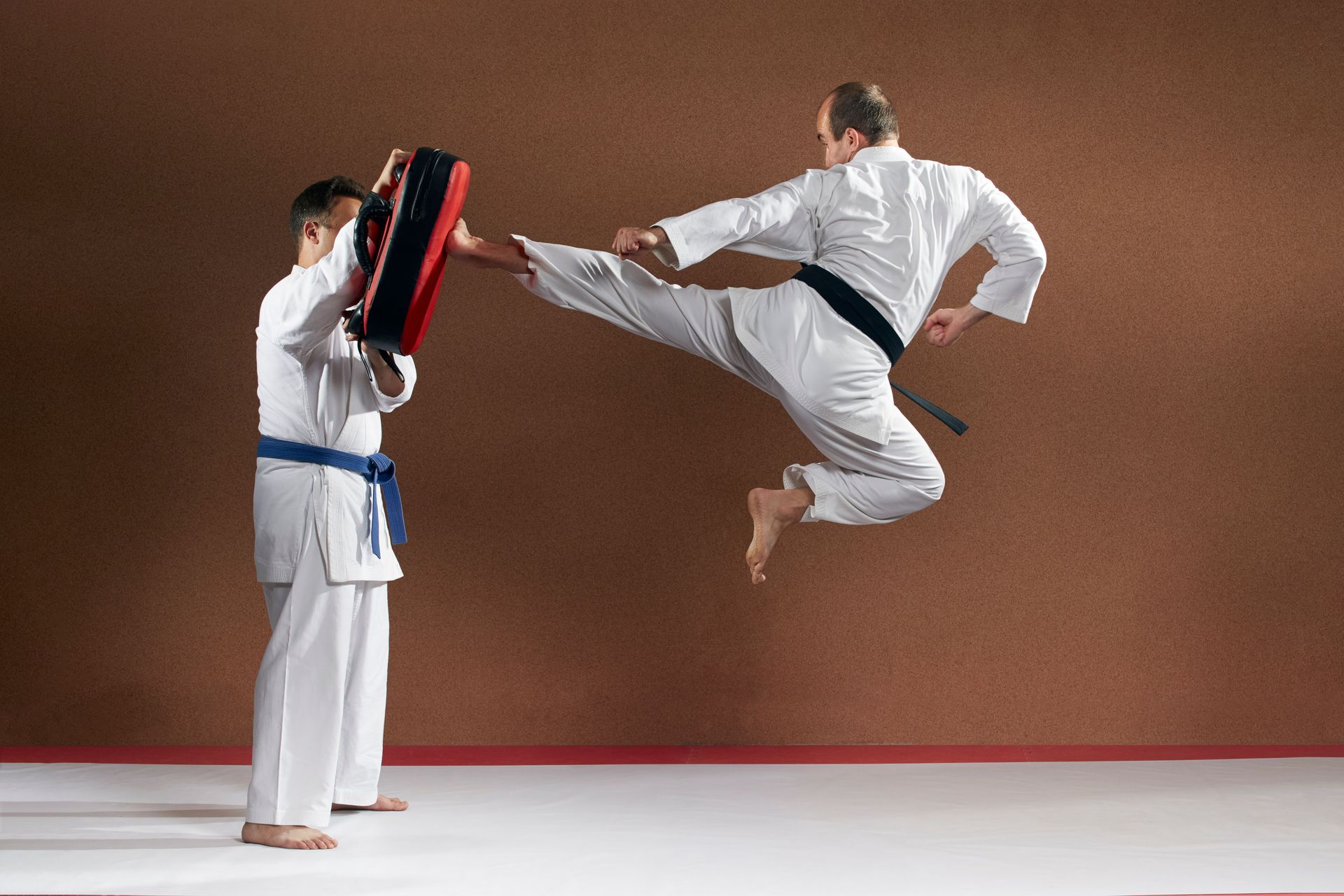
Live rolling is often the most engaging part of any martial arts class, but unregulated aggression remains the leading cause of preventable training injuries. Skilled jiu-jitsu trainers remind students that practice is about technical refinement and position navigation rather than winning gym championships on a Tuesday evening. Selecting trustworthy rolling partners who share a common commitment to mutual safety allows both participants to explore complex transitions without reckless pressure. Establishing clear communication before slapping hands—such as agreeing on flow rolling, working from specific guard positions, or noting existing bodily aches—sets a healthy baseline that prevents chaotic collisions.
When you feel caught in an armlock, choke, or shoulder rotation, tap early and tap often. Submitting quickly is not a defeat but an acknowledgment of correct mechanics that keeps your limbs intact for the next round. Resisting deep joint locks out of stubbornness only produces micro-trauma in ligaments and tendons that can take months of therapy to heal.
Removing ego from live grappling builds an environment where you can safely test creative setups, sharpen your defensive reactions, and leave the academy feeling energized rather than injured. Approaching each exchange as a cooperative laboratory rather than a street altercation ensures both you and your training partner progress steadily, cultivating sharp problem-solving habits that sustain a resilient body across decades of regular practice.
Structuring Progressive Development for Adult Athletes
Adults starting martial arts must balance intense physical training with professional careers, family commitments, and daily responsibilities. Experienced jiu-jitsu trainers build adult classes that break complex body mechanics down into clear, digestible steps suited for any fitness level. Starting with two to three focused sessions per week allows your joints, tendons, and muscles adequate time to adapt to new athletic demands without accumulating chronic fatigue.
Structured adult programs focus on patient positional escapes, guard retention, and foundational posture before introducing advanced sparring pressure. This step-by-step curriculum ensures that students over thirty or those returning after years away from athletic routines can build real conditioning comfortably. Committing to steady, low-friction habits prevents early burnout and guarantees that your technical knowledge compounds reliably over time.
Guiding Younger Generations Through Youth Classes
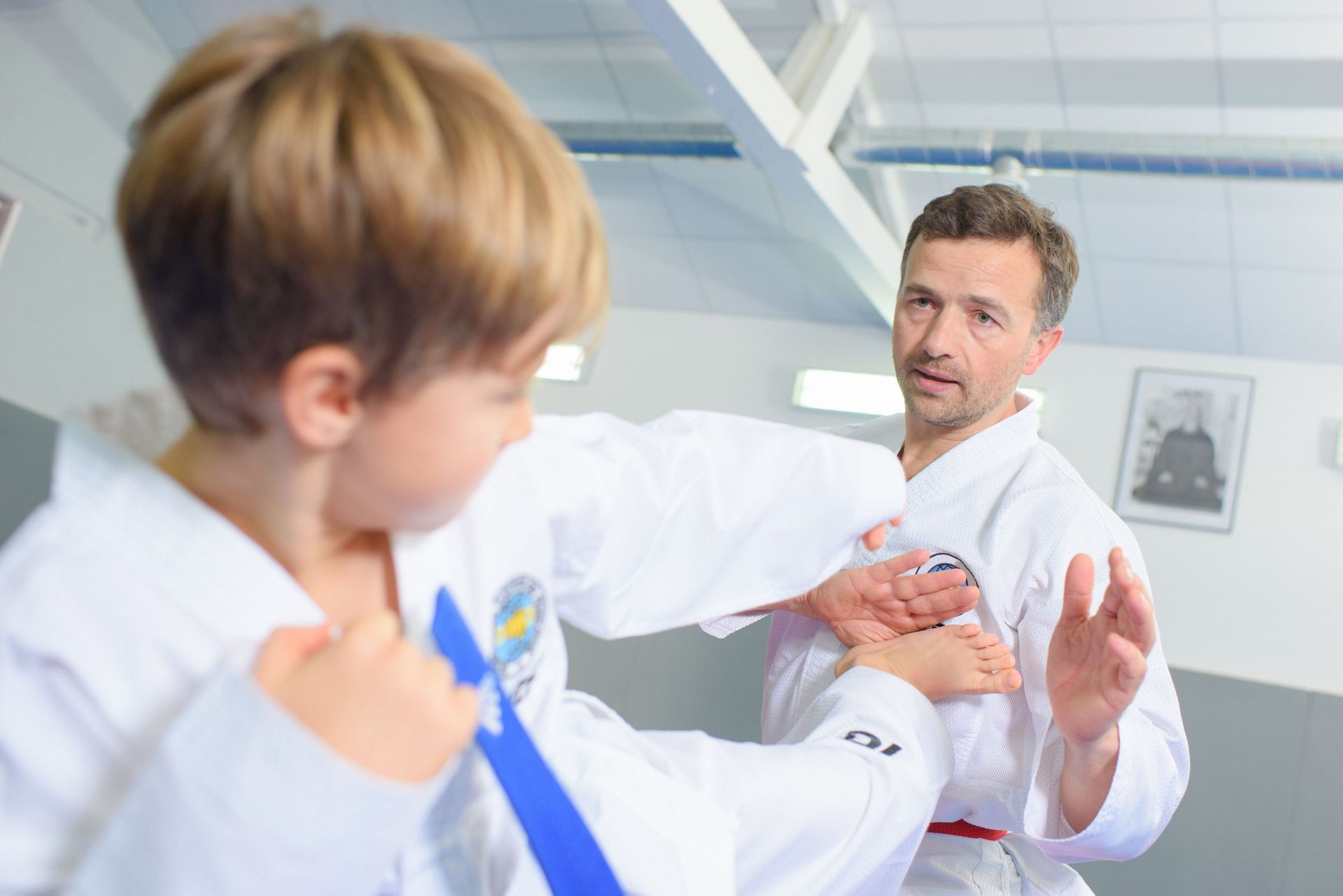
Longevity on the mats starts with proper habits learned early in childhood. Dedicated youth classes provide kids and teens with a safe, structured space to build real motor skills, balance, mental focus, and genuine personal discipline. Patient jiu-jitsu trainers supervise young grapplers continuously, ensuring partners practice holds and takedowns with full control and respect for each other.
By emphasizing teamwork, body awareness, and non-violent conflict resolution, young students develop high athletic confidence that protects them against playground injuries and sports trauma. Structured children's programs instill lifelong wellness habits, teaching kids to respect their bodies, care for their peers, and view challenges through the lens of patient problem-solving. These early physical lessons form the durable foundation needed for decades of joyful athletic engagement.
Maintaining Progress Through Flexible Learning Options
Modern martial artists frequently travel for work or handle unpredictable schedules that make attending evening academy sessions a challenge. Forward-thinking jiu-jitsu trainers now offer structured online lessons and video breakdowns that help grapplers study fundamental techniques, review conceptual systems, and maintain sharp mental focus from anywhere. Digital access keeps students engaged with their curriculum even when physical recovery or business travel takes them away from local gym facilities.
Reviewing conceptual lessons away from physical contact allows you to absorb intricate grips, posture details, and escape routes without taxing your body. This cerebral approach to martial arts turns downtime into high-value cognitive preparation. When you return to live practice, you possess a clearer roadmap of what to execute, reducing erratic movements that invite unnecessary injuries.
Sustaining Recovery and Long-Term Performance
Achieving decades of active mat time demands intentional attention to bodily recovery and everyday hygiene. Showing up to practice with clean gear, trimmed nails, and a rested body demonstrates respect for your teammates while keeping common skin irritations off the mats. Balancing intense grappling sessions with adequate sleep, balanced nutrition, and hydration keeps systemic inflammation low and prevents overtraining syndrome.
Knowledgeable jiu-jitsu trainers recognize that rest days are just as vital to technical retention as hours spent drilling. Listening to your physical signals, taking a light week when joints feel tender, and modifying your rolls during minor flare-ups keeps small aches from transforming into chronic tears. Practitioners who prioritize proactive recovery enjoy a sustainable lifestyle, rolling well into their fifties, sixties, and beyond with complete confidence and vitality.
Lifelong martial arts development is built on smart daily habits, technical patience, and supportive coaching that values your long-term health. Discover the transformative benefits of our adult classes, youth classes, Budokon Mobility sessions, and online lessons by claiming your 7-day free trial at Katharo Training Center - Jiu-Jitsu and Fitness.